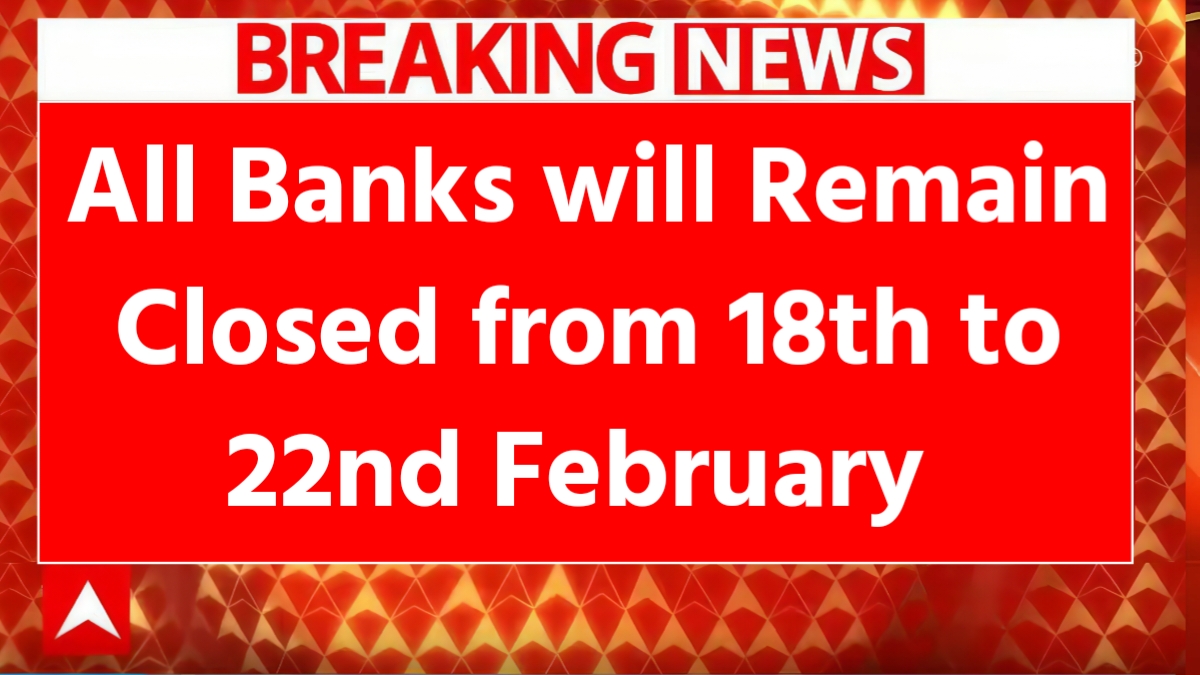
Bank Holiday: Bank customers in different parts of India may notice a series of branch closures in the second half of February. These closures are part of the annual holiday calendar followed by banks across the country. While such holidays occur every year due to regional festivals and routine weekends, the close timing of several holidays this month has attracted attention. Customers who depend on visiting bank branches for cheque deposits, cash transactions, or document verification should plan their work carefully.
It is important to understand that these holidays are not nationwide. India follows a state-based holiday system where bank closures depend on local festivals, cultural events, and official state celebrations. This means banks may remain open in one state while being closed in another. Even when branches are shut, digital banking services continue to operate without interruption.
Regional Festivals Influencing the Holiday Calendar
One of the major holidays in this period falls on 18 February in certain Himalayan regions for Losar, the Tibetan New Year. This festival holds deep cultural importance in those areas, and banks observe it as a public holiday. The next day, 19 February, banks in Maharashtra remain closed to honor the birth anniversary of Chhatrapati Shivaji Maharaj, a respected historical figure in the state.

On 20 February, some northeastern states such as Arunachal Pradesh and Mizoram observe their State Day celebrations. These days mark the formation of the states and are recognized as official public holidays. Such staggered closures highlight how India’s banking schedule adapts to regional diversity rather than following a single national holiday list.
Weekend Closures Add to the Perception of Longer Breaks
In addition to regional holidays, regular weekend closures also affect branch operations. Banks across India remain closed on Sundays, including 22 February. The fourth Saturday of the month, which falls on 28 February, is also a standard bank holiday nationwide. When these routine closures combine with state-specific holidays earlier in the week, customers may feel that banks are closed for an extended period.
However, this pattern is not unusual. Similar clusters of holidays occur during major festivals such as Diwali or regional New Year celebrations. While February does not usually have many national holidays, localized observances can still affect banking schedules in certain areas.

Digital Banking Services Continue Without Disruption
Even when physical branches are closed, most digital services remain available. Customers can continue using UPI, internet banking, mobile apps, ATMs, and IMPS for transferring money or paying bills. These systems are designed to operate around the clock to ensure uninterrupted access to basic financial services.
That said, some services may experience delays. Cheque clearing depends on working clearing houses, and certain branch-based transactions such as demand drafts or in-person RTGS requests may not be processed during holidays. Paper-based banking activities often require working business days for completion.
Planning Ahead to Avoid Inconvenience
For households and businesses, planning is the key to avoiding delays. Activities such as updating KYC documents, opening accounts, or depositing large cheques should be scheduled before holidays. Small business owners waiting for cheque clearance may experience slower processing if deposits are made just before a holiday.

Customers are advised to confirm local holiday schedules through official bank websites, mobile applications, or by contacting their branch directly. Since holiday dates vary by state, checking accurate information helps prevent confusion and last-minute disruptions.
Disclaimer
This article is intended for general informational purposes only and is based on publicly available banking holiday schedules and guidelines. Actual service availability may vary depending on the bank, branch, and state. Customers should verify holiday dates and transaction timelines directly with their respective banks before planning important financial activities.